Journalism in the Netherlands
In the current episode of Continent, we are looking at the Netherlands.
A country where newspapers are still read. A country that gave its name to "Big Brother," "Who Wants to Be a Millionaire?" and numerous other world-famous TV formats, and where investigative journalist Peter de Vries was murdered in 2021. Golli Marboe discusses this with Professor Damian Trilling, who researches and teaches communication in the digital society at the Institute for Communication Studies at the University of Amsterdam .
Germany in focus: A guiding principle for media diversity and public service innovation in Europe
Journalism in Serbia
Today's episode of Continent is about the situation of the media and journalism in Serbia.
Golli Marboe speaks with lecturer, author and journalist Dr. Thomas Brey, the long-time head of the dpaoffice in Vienna, from where he was also responsible for reporting from Serbia.
Today, therefore, a look to the south of Austria, to Serbia, a country whose capital Belgrade, like Vienna, is also located on the Danube.
The broadcasters marching in lockstep – Serbia's media caught between government and Russia
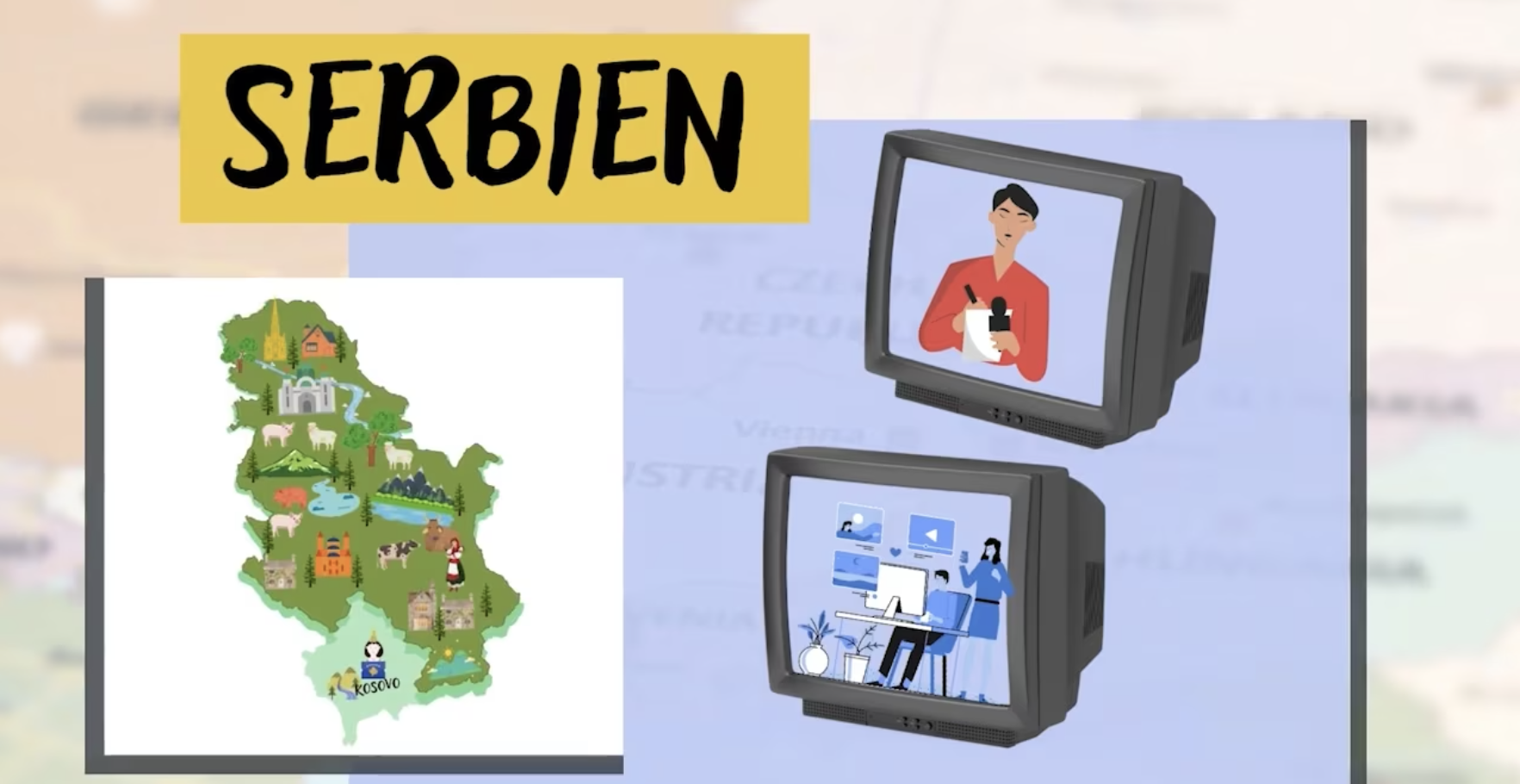
Media in Serbia
The current episode of the international media magazine "Continent" focuses on the state of journalism in Serbia. Golli Marboe speaks with lecturer, author, and journalist Dr. Thomas Brey, the long-time head of the dpa bureau in Vienna, from where he was also responsible for reporting from Serbia. So today, we take a look south of Austria to Serbia, a country whose capital, Belgrade, like Vienna, lies on the Danube.
Slovenia's media landscape at a crossroads: The fight for independence and truth
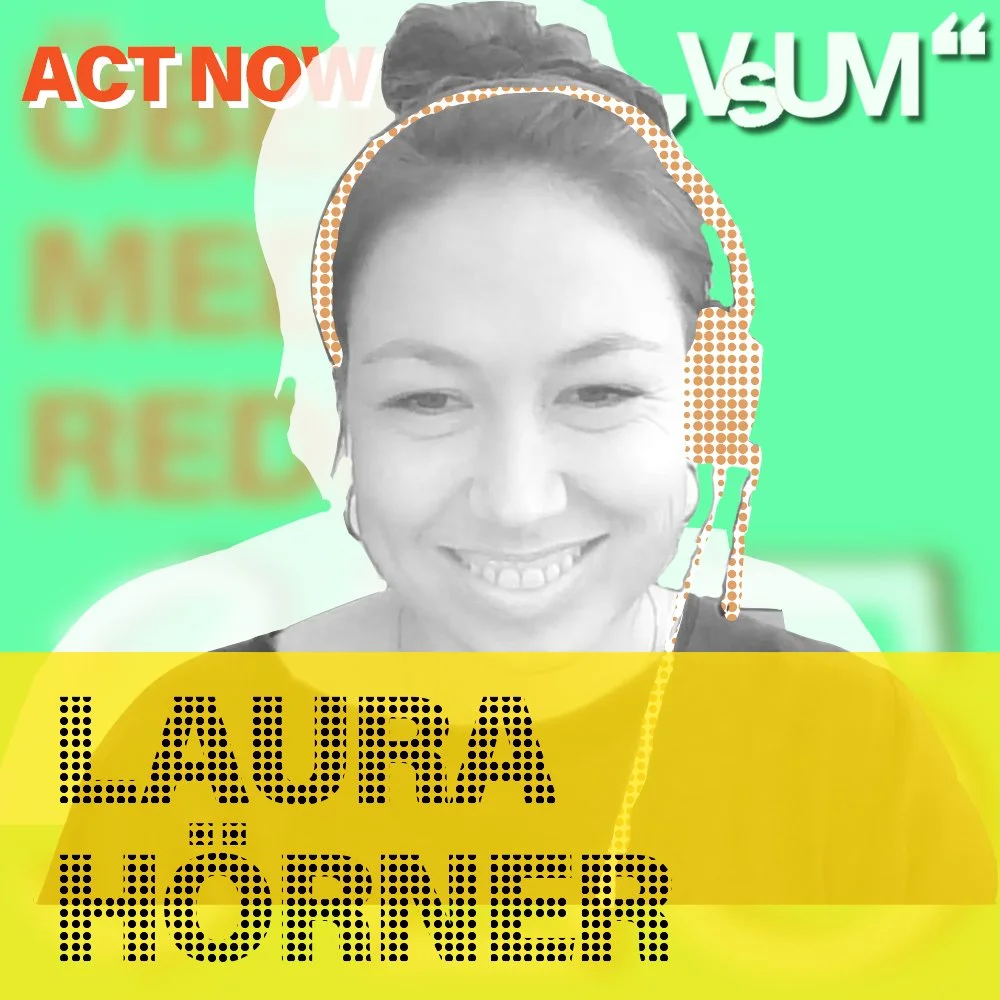
Laura Hörner: Stories don't end at borders
Laura Hörner is part of the ORF Public Value department.
She also participated in "Act Now," the event in Vienna where media experts from various European countries discussed the possibilities, design, and opportunities of a European media platform.
Media in Germany
In this issue of "Continent," the editorial team examines media projects in Germany, specifically "best practice" examples that Austrian media, and especially the ORF (Austrian Broadcasting Corporation), could use as a model.
Our guest is Adelheid Feilcke, head of the "Europe" editorial department at Deutsche Welle. Together they explore the question of whether a country like Austria should also produce multilingual programs for its neighboring European countries, as Deutsche Welle does.
Kosovo: Between soap operas and clickbait – A fragmented media image in the heart of the Balkans
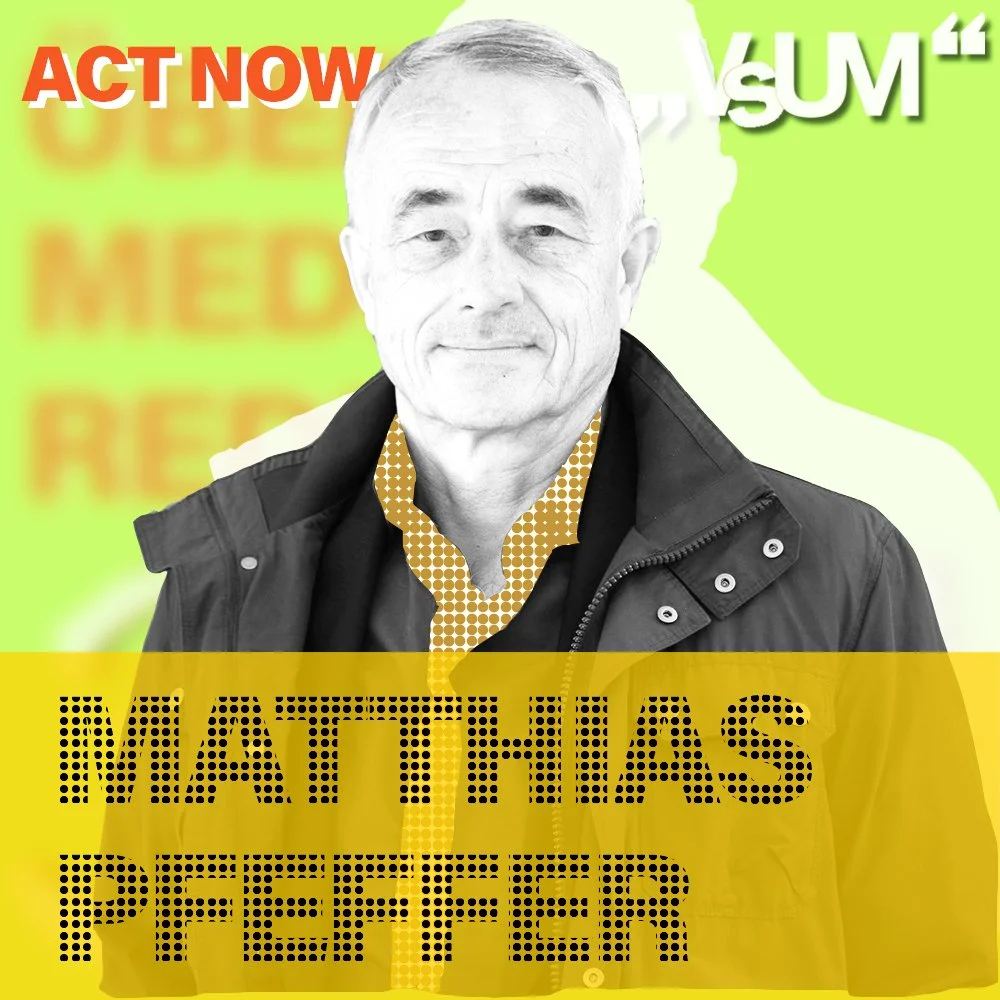
Matthias Pfeffer: What we are experiencing in digitalization can be compared to climate change
Matthias Pfeffer, philosopher, TV journalist, author and producer, studied philosophy and was initially a war and crisis reporter, then managing director and editor-in-chief of FOCUS TV.
Together with Paul Nemitz, Pfeffer published "The Principle of Man, Power, Freedom and Democracy in the Age of Artificial Intelligence" in 2020. Furthermore, Matthias Pfeffer is involved in several initiatives aimed at establishing Europe-wide media platforms, such as Act Now.
Journalism in Italy
The current episode of "Continent" deals with the media situation in Italy.
There, in Bolzano, we meet with Markus Perwanger, head of the Rai South Tyroleditorial team, and discuss the importance of multilingual broadcasting by public service programs—in this specific case, a German-language offering for the German-speaking population of South Tyrol. Then we hear from Ferdinand Dohna, a film producer who lives and works in Rome. He not only the Inspector Rex series from Vienna to Rome, but has also been a successful producer for Berlusconi and Rai for many years. When it comes to media, we all naturally associate Italy with television, with the programs shaped, not least, by Silvio Berlusconi and his private broadcasting group, Mediaset . But beyond that, there are also radio offerings, and both Italian publishing houses and the German broadcaster WDR broadcast podcasts and radio programs in Italian—WDR even produces its own program. This program is, so to speak, a best practice example for European programs, and we discuss this with Tommaso Pedicini.
Serbian media in the diaspora and the struggle for independence: challenges and perspectives
A country in an information war: Poland's media between propaganda and diversity
Hungary under the Fidesz boot: How a government is controlling the media landscape
Media in the Netherlands
In this episode of Continent, we're focusing on the Netherlands. A country where newspapers are still widely read. A country that gave us "Big Brother," "Who Wants to Be a Millionaire?" and numerous other world-famous TV shows, and where investigative journalist Peter de Vries was murdered in 2021. Golli Marboe discusses this with Professor Damian Trilling, who researches and teaches communication in the digital society at the Institute for Communication Studies at the University of Amsterdam.
Romania's media landscape: A reflection of power – When journalism becomes a tool
Media in Kosovo
This episode of the media magazine "Continent" is about Kosovo.
In Kosovo, founded in 2008 and Europe's youngest state, there are 19 television channels and 85 radio stations for approximately 1.8 million inhabitants, but no daily newspaper in print. The particular importance of online and social media may be due to the low average age of the population at 30.4 years (compared to 43.1 in Austria). Golli Marboe discusses this with Jeta Xharra, senior journalist at the renowned Balkan Investigative Reporting Network (BIRN); Remzie Shahini-Hoxhaj, director of the Institute for Media at the University of Pristina; and Kaltrina Durmishi, chairwoman of the Coordination Council of Albanian Associations in Vienna.
Media in Italy
This episode of "Continent," the media magazine, focuses on the media landscape in Italy. Golli Marboe speaks with Markus Perwanger in Bolzano. RAI's German-language programming can be described as a Europe-wide "best practice" media project in its approach to minority groups. The episode also features Ferdinand Dohna, a film producer living and working in Rome. He describes the differences between everyday television in German-speaking and Italian-speaking regions and the enduring influence of Silvio Berlusconi. Beyond that, there are also radio offerings, with both Italian publishing houses and the German broadcaster WDR airing podcasts and radio programs in Italian. WDR in Cologne produces its own program, which serves as a best practice example for European programming. Golli Marboe discusses this further with Tommaso Pedicini from COSMO Italiano.
Journalism in Albania
In today's episode of Continent, the international media magazine, we will be looking at the Western Balkan state of Albania.
Approximately 3 million people live there in an area roughly equivalent to the combined size of the Austrian states of Lower Austria and Upper Austria. Our interview also includes Markus Posset , Honorary Consul of the Republic of Albania, and Adelheid Wölfl, the Balkan correspondent for the daily newspaper Der Standard, who lives in Sarajevo .
Journalism in Iceland
In today's episode of Continent, our international media magazine, we look at journalism, and especially society's handling of online content, in Iceland - because the island nation with approximately 380,000 inhabitants, roughly the same number of citizens as live in Graz, has taken on a pioneering role in Europe with regard to the legal framework for online information.
Golli Marboe speaks with Gauti Kristmannson, Professor at the Faculty of Humanities at the University of Iceland. Kristmannson has also taught in Germany and Scotland and worked for Iceland's public broadcaster .